EN
EN 
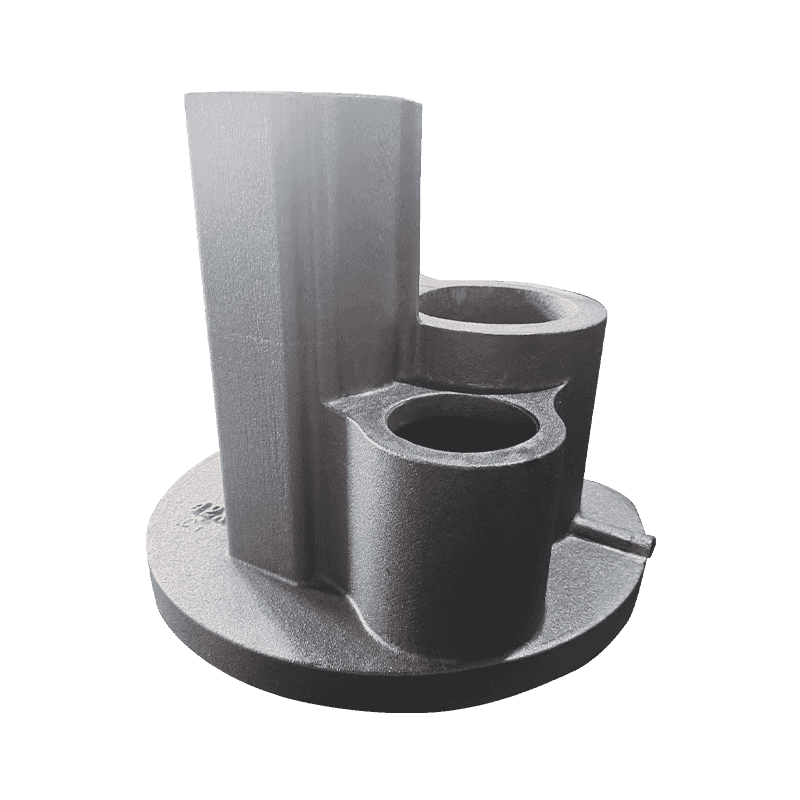
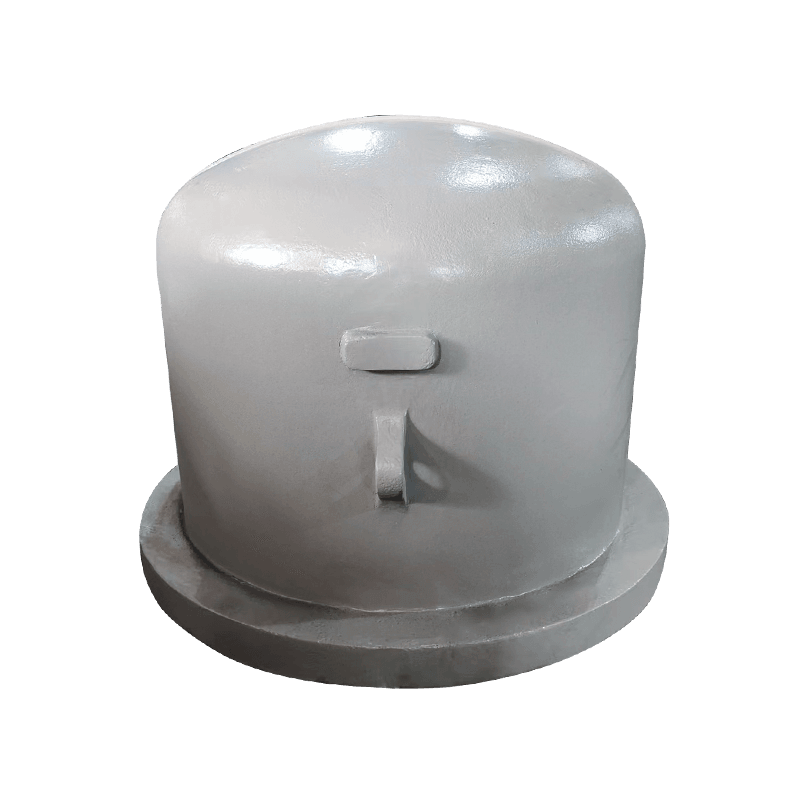
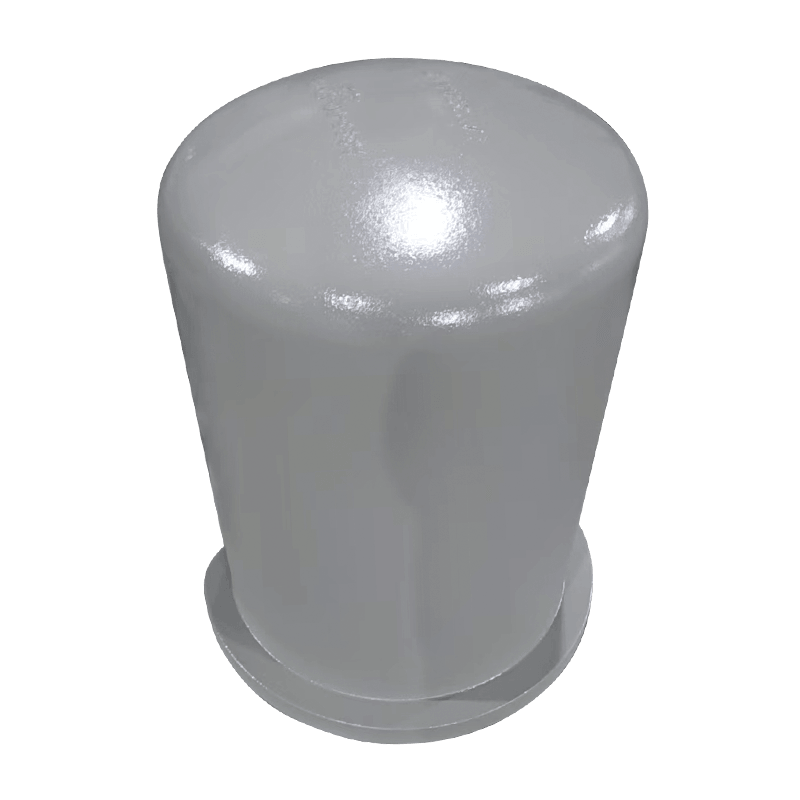
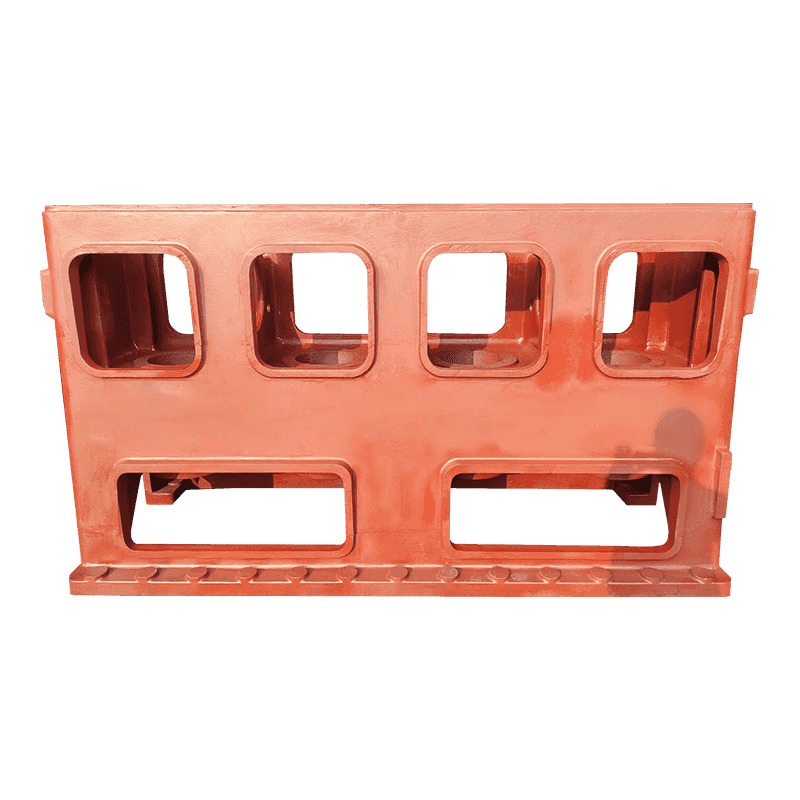
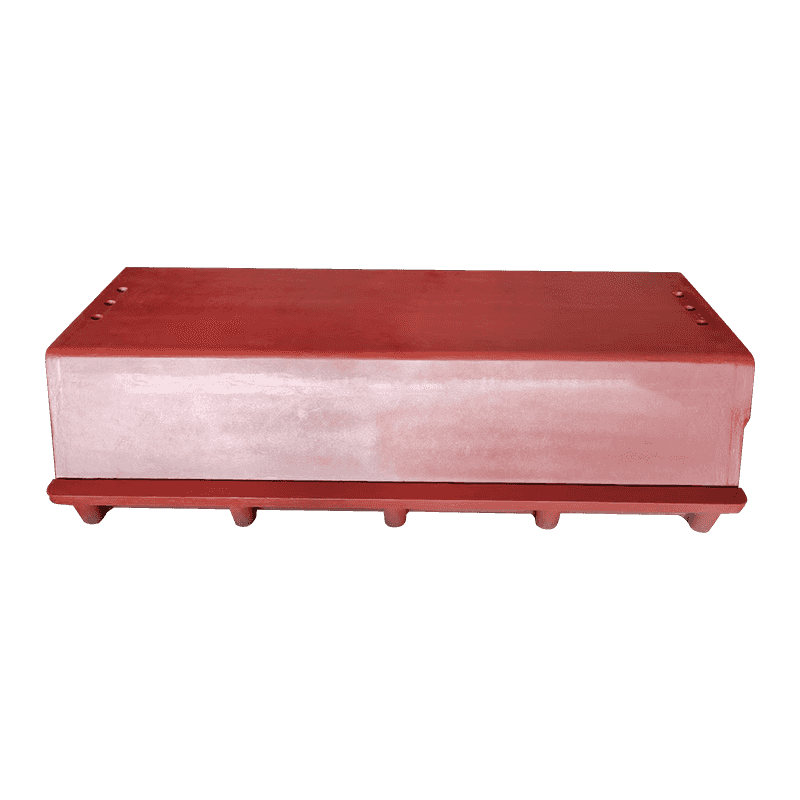
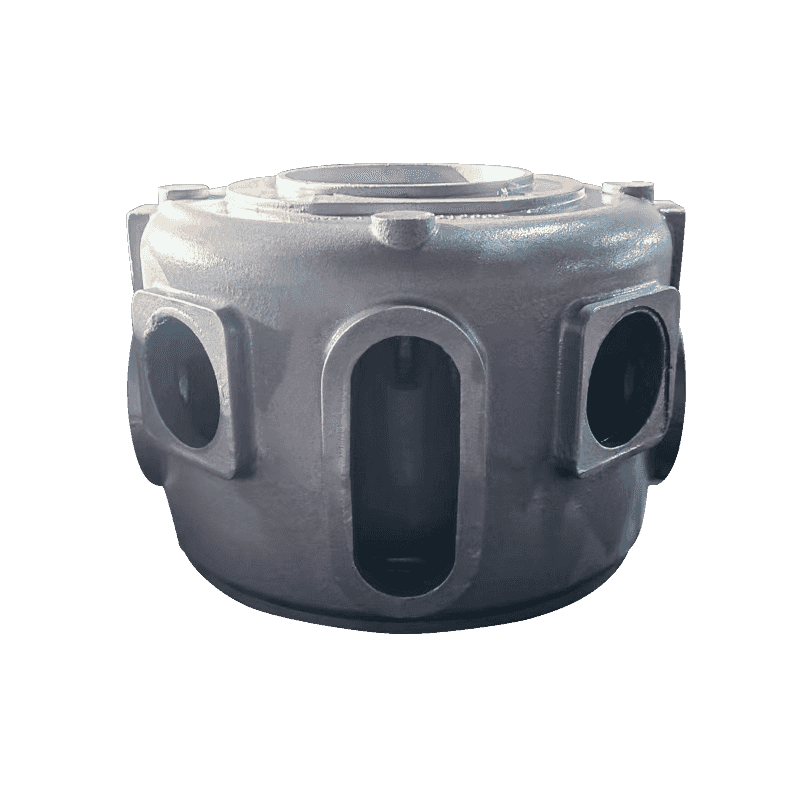
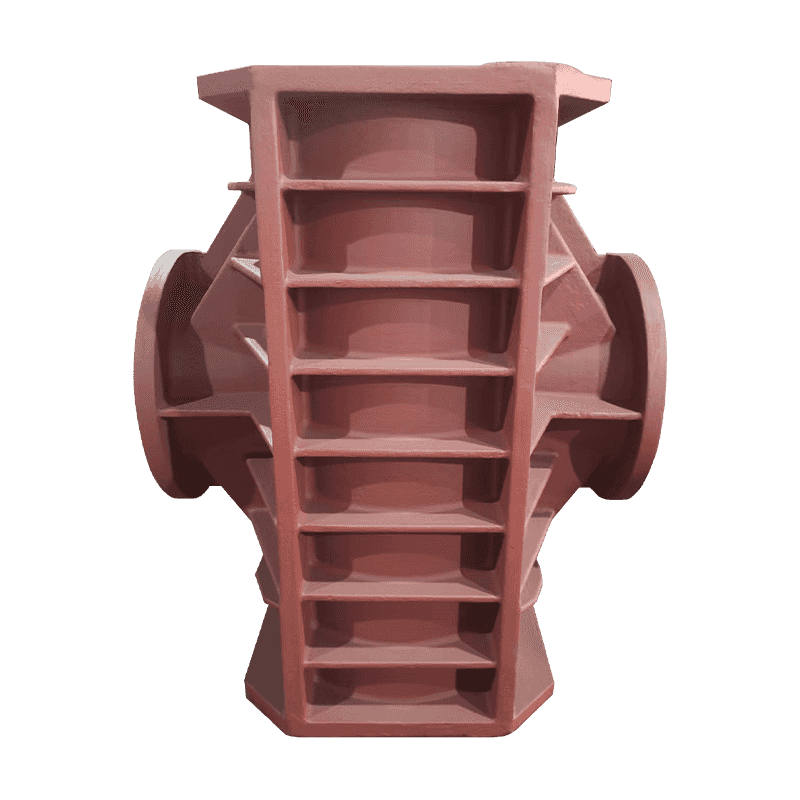
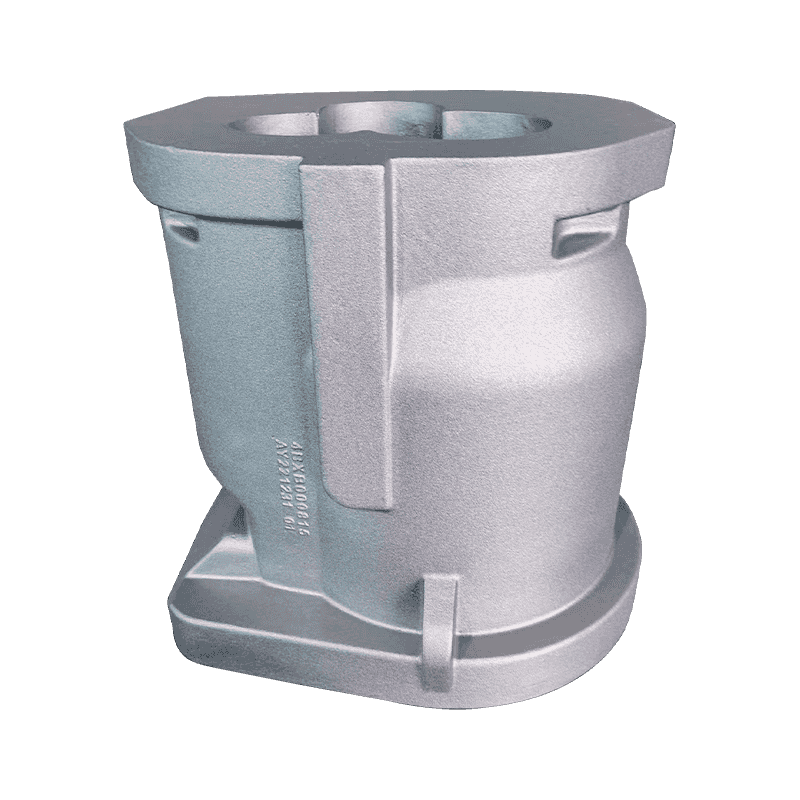
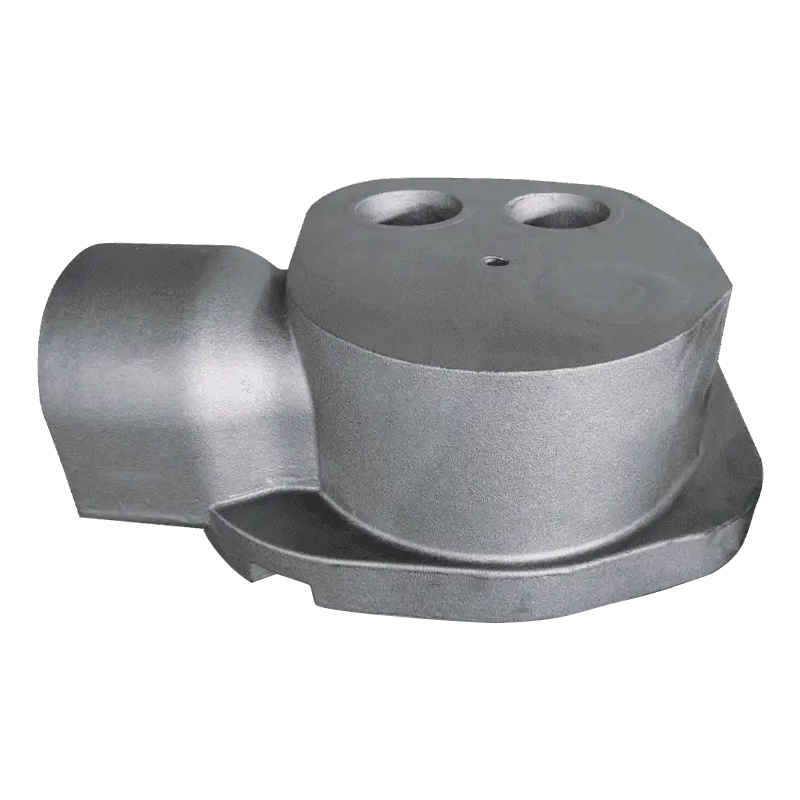
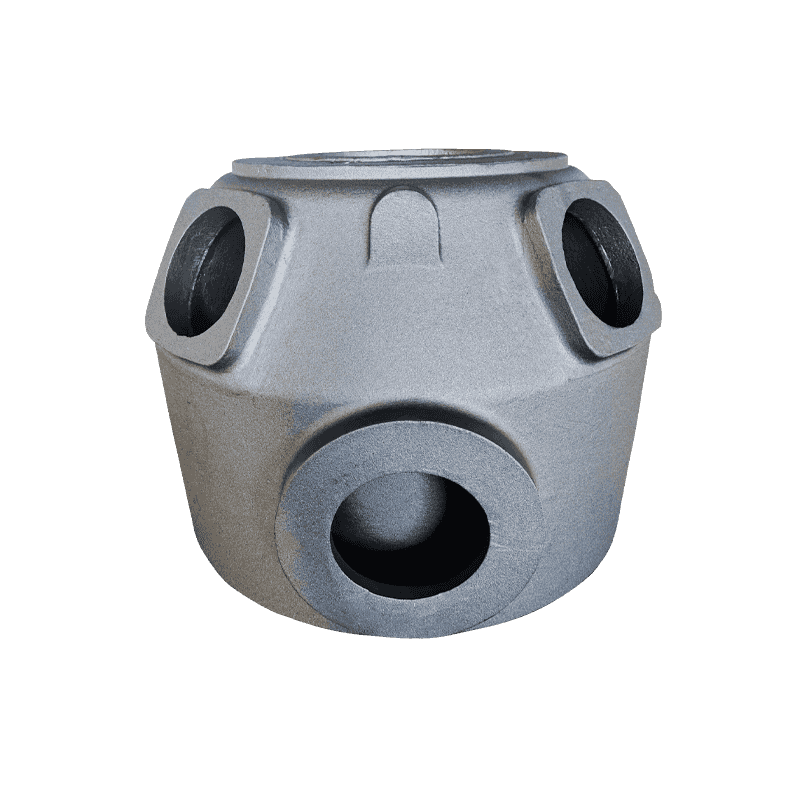
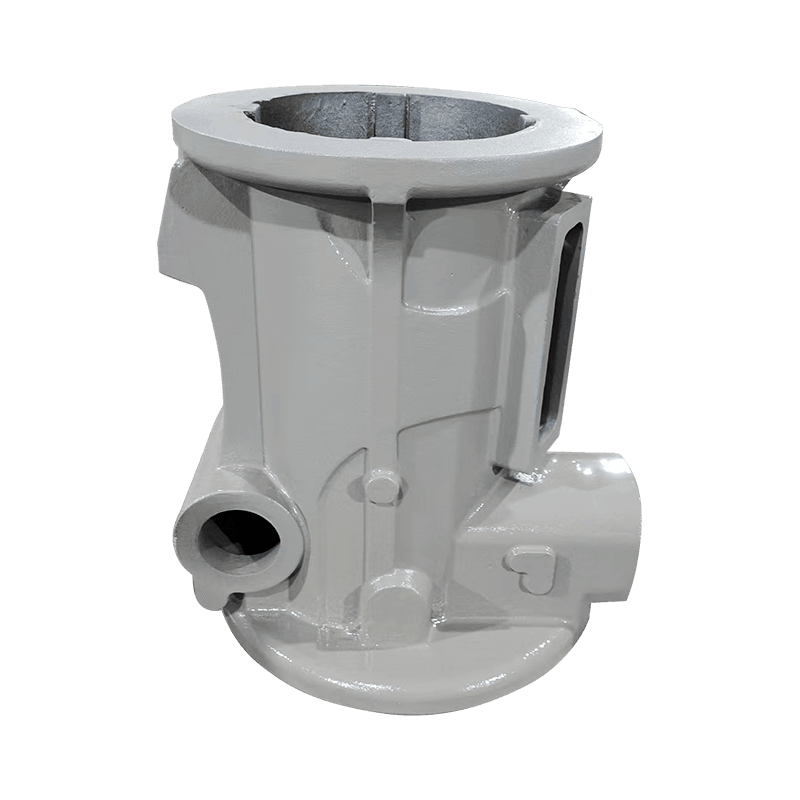
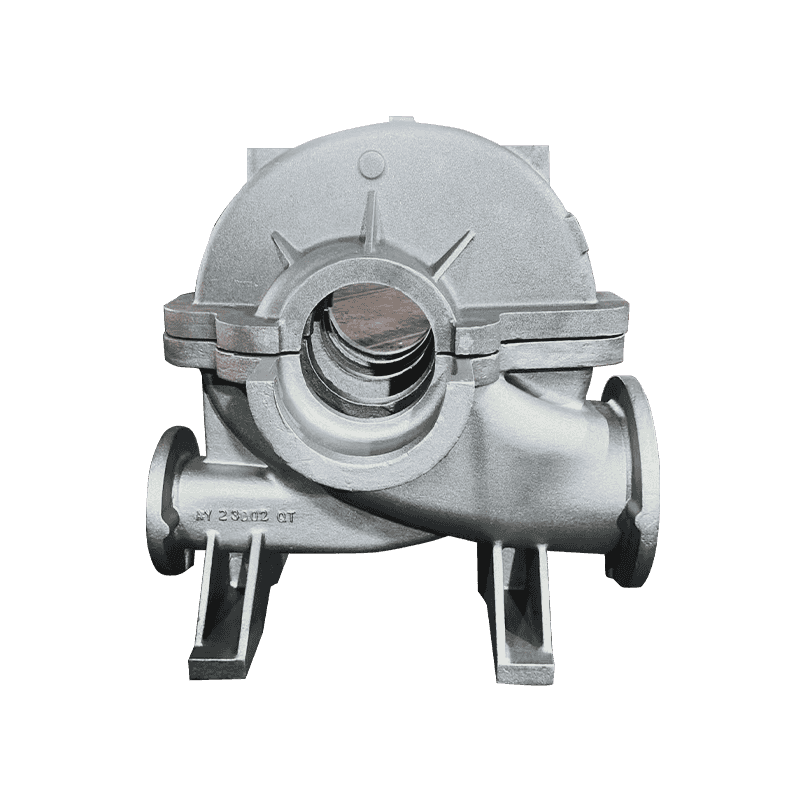
Ductile Iron Parts are the better choice in high-load environments because they offer significantly higher tensile strength, superior fatigue resistance, and greater impact toughness than Aluminum Alloy Parts, all while maintaining a lower cost per unit of load-bearing capacity. While aluminum alloys are valued for their light weight, they begin to lose structural integrity under sustained mechanical stress, repeated cyclic loading, and elevated operating temperatures. Ductile Iron Parts retain their dimensional stability and strength even under continuous heavy-duty operation, making them the preferred material for components such as gearbox housings, pump bodies, structural brackets, and heavy machinery frames. For engineers prioritizing long-term durability over minimal weight savings, Ductile Iron Parts consistently deliver more reliable performance across demanding industrial applications.
Mechanical Strength Comparison Between the Two Materials
The core advantage of Ductile Iron Parts lies in their internal microstructure. The nodular graphite structure found in ductile iron allows it to absorb and distribute stress evenly throughout the part, rather than concentrating it at weak points the way aluminum alloys often do under load. This structural behavior is similar to what is observed in many cast iron castings, where graphite distribution plays a direct role in determining how the material responds to mechanical stress.
In typical industrial-grade comparisons, Ductile Iron Parts exhibit tensile strength values ranging from 60,000 to 120,000 psi, depending on the specific grade, while common aluminum alloys used in structural applications typically range between 30,000 and 50,000 psi. This means that for the same part geometry, a ductile iron component can often handle more than double the load before reaching its yield point.
Yield Strength and Load-Bearing Capacity
Yield strength determines how much load a part can handle before it begins to permanently deform. Ductile Iron Parts generally maintain yield strength values between 40,000 and 90,000 psi, while aluminum alloys typically yield between 15,000 and 35,000 psi. In high-load environments such as construction equipment or industrial pumps, this difference directly affects how long a component remains structurally sound before requiring replacement.
Fatigue Resistance Under Repeated Stress Cycles
Heavy-load environments rarely involve a single static load; instead, parts are subjected to repeated cyclic stress over time. This is where Ductile Iron Parts show one of their most significant advantages. Due to the nodular graphite structure, crack propagation is slowed considerably, allowing ductile iron components to endure far more load cycles before fatigue failure occurs compared to aluminum alloy parts.
Aluminum alloys, while resistant to corrosion, are more susceptible to micro-crack formation under vibration and cyclic loading, particularly in components that experience constant mechanical movement such as axle housings or hydraulic system brackets. Over time, this can lead to premature fatigue failure, especially in environments involving heavy machinery or transportation equipment.
| Property | Ductile Iron Parts | Aluminum Alloy Parts |
|---|---|---|
| Tensile Strength | 60,000–120,000 psi | 30,000–50,000 psi |
| Yield Strength | 40,000–90,000 psi | 15,000–35,000 psi |
| Fatigue Resistance | High | Moderate |
| Density | 7.1 g/cm³ | 2.7 g/cm³ |
Performance Under Thermal and Vibrational Stress
High-load environments often introduce additional stress factors beyond simple mechanical force, including heat generation from friction and constant vibration from rotating or reciprocating equipment. Ductile Iron Parts handle these conditions exceptionally well due to their high thermal stability and natural vibration-damping characteristics.
Thermal Stability Advantages
Aluminum alloys begin to soften and lose mechanical strength at temperatures above 150°C to 200°C, depending on the alloy composition. In contrast, Ductile Iron Parts maintain stable mechanical properties at temperatures up to 400°C in many industrial-grade formulations, making them far more suitable for components located near engines, motors, or other heat-generating machinery.
Vibration Damping Capability
Due to their graphite microstructure, Ductile Iron Parts naturally absorb vibrational energy more effectively than aluminum alloys. This is particularly valuable in applications involving rotating equipment, pumps, and gearboxes, where reduced vibration translates directly into less wear on connected components and longer overall service life.
Cost Efficiency in Heavy-Duty Applications
While aluminum alloys carry a higher raw material cost per kilogram in many markets, the real cost comparison must account for load-bearing capacity per unit cost rather than weight alone. Because Ductile Iron Parts can handle significantly higher loads without requiring oversized geometry, manufacturers often achieve a lower overall cost per unit of strength delivered.
Additionally, the casting process used to produce Ductile Iron Parts is well-established and highly scalable, similar to the production methods used for many other cast iron castings across industrial sectors. This mature manufacturing ecosystem helps keep tooling and production costs predictable, even for complex part geometries.
- Lower material cost per unit of load-bearing strength compared to aluminum alloys
- Reduced need for oversized part geometry to compensate for lower strength
- Longer service intervals due to superior fatigue and wear resistance
- Lower long-term replacement and maintenance costs in heavy-duty systems
When Aluminum Alloy Parts Still Make Sense
Despite the clear strength and durability advantages of Ductile Iron Parts, aluminum alloys are not without merit. In applications where weight reduction is the primary engineering goal, such as aerospace components or portable equipment, aluminum's lower density of approximately 2.7 g/cm³ compared to ductile iron's 7.1 g/cm³ can outweigh its strength limitations.
However, in environments specifically characterized by high mechanical load, repeated stress cycling, or elevated operating temperatures, Ductile Iron Parts remain the more dependable engineering choice. The decision ultimately comes down to whether weight savings or load-bearing reliability is the higher priority for the specific application.
For engineers and procurement teams evaluating material choices, the following guidelines help clarify when Ductile Iron Parts should be prioritized over aluminum alloy alternatives.
- Choose Ductile Iron Parts for components subjected to continuous heavy mechanical loading
- Select ductile iron when vibration damping is critical to system longevity
- Use ductile iron in high-temperature operating environments near engines or motors
- Consider aluminum alloys only when weight reduction outweighs strength requirements
While both materials serve valuable roles across different industries, Ductile Iron Parts consistently demonstrate superior performance characteristics in environments defined by heavy mechanical demand, making them the more reliable and cost-effective choice for high-load industrial applications.